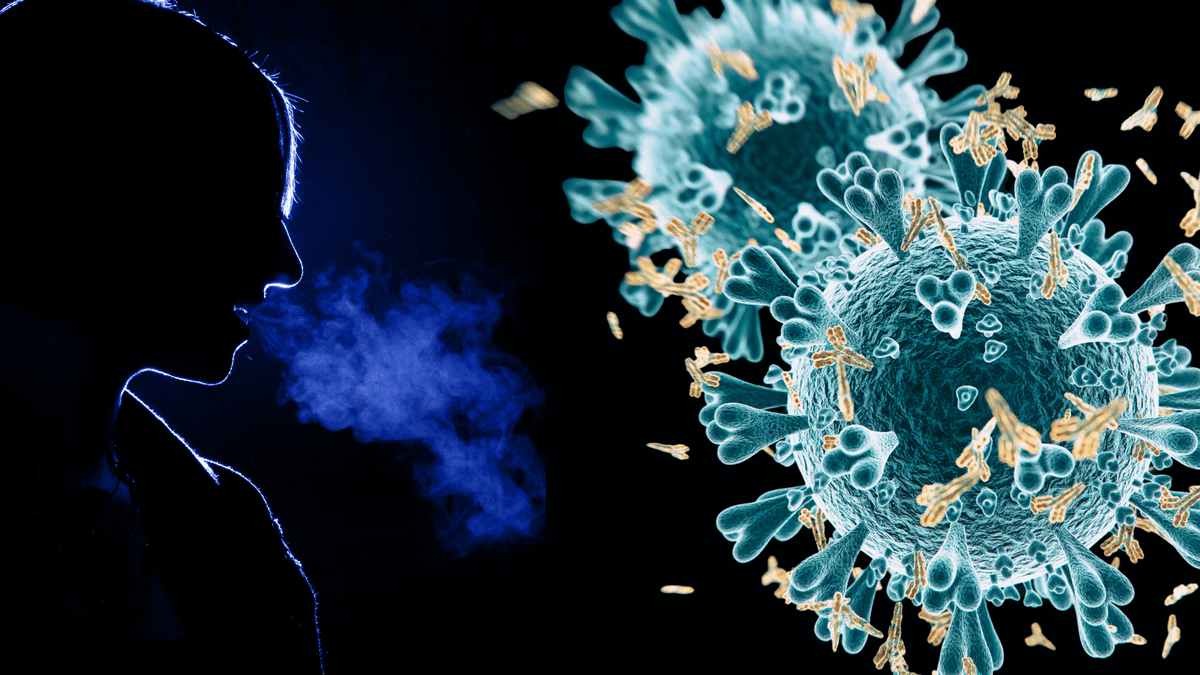
Researchers at Karolinska Institutet and Danderyd Hospital have identified antibodies against influenza, covid-19 and RSV in exhaled breath, according to News55. The findings, published in eBioMedicine, suggest the deep lung's immune activity may be sampled without the invasive procedures currently required.
The work centres on a method called PExA, short for Particles in Exhaled Air. Participants breathe into a device that captures tiny particles carried up from the smallest airways in the lungs. The study drew its volunteers from the COMMUNITY cohort at Danderyd Hospital.
Why it matters
How well a virus is stopped in the airways depends partly on antibodies present in the mucous membranes. In the nose, these antibodies can be measured with simple swabs. Further down in the lungs, sampling has generally meant bronchoscopy, in which an instrument is passed into the airways.
The new results point to an alternative. If antibodies from the small airways can be collected simply by breathing into a device, researchers gain a repeatable way to observe local immune activity over time. According to News55, that prospect is what makes the finding notable.
What the study found
Of the 28 participants, 18 had recently experienced a respiratory infection. The researchers collected samples from blood, the nose and exhaled air.
In the air coming from the small airways, they detected antibodies of the IgA and IgG types. IgG levels in the lungs largely tracked the levels found in the blood. IgA, by contrast, appears to be produced to a significant extent locally in the airways themselves.
For participants, the process was undemanding. "They only need to breathe into an instrument," said Katherina Aguilera, a doctoral student and the study's first author, as reported by News55. That ease is central to the method's appeal: because sampling is so simple, it can be repeated and used to follow the immune system over time.
Charlotte Thålin, an adjunct professor at Karolinska Institutet and one of the senior authors, sees fresh opportunities to study immunity in different parts of the respiratory tract. The approach could reveal how the local immune response shifts after an infection or a vaccination, and it may help in evaluating new vaccines and antibody treatments aimed at the mucous membranes.
Limits and next steps
The method has no place in clinical care yet. This is a first study with a small number of participants, and the researchers want to test it in larger groups before drawing broader conclusions.
In the meantime, public health guidance for the season stands. Sweden's Public Health Agency recommends that people aged 65 and older get vaccinated against influenza, and that those aged 75 and older also receive a covid-19 vaccination, News55 reports.
Watch for follow-up studies with larger cohorts, which will be the test of whether breath-based lung antibody sampling becomes a practical research tool.